
Hi everyone! At Bluebell Veterinary Surgery, we know that “anal glands” isn’t exactly the most glamorous topic to talk about over coffee. However, for many of our furry friends in Southampton, these tiny pouches can become a big source of discomfort.
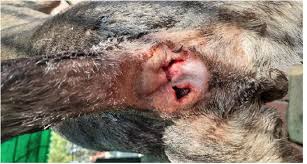
If your dog is constantly scooting across the carpet or you’ve noticed a persistent “fishy” smell, you might be wondering if it’s time for a more permanent solution. Today, we’re diving deep into the Anal Sacculectomy (that’s the medical name for anal gland removal surgery), what it costs in the UK, and how we help your dog get back to their happy, tail-wagging self.
What Are Anal Glands, Anyway?
Think of anal glands as two small, grape-sized scent pouches located just inside your dog’s bottom—specifically at the “4 o’clock” and “8 o’clock” positions.
In the wild, these glands were used for “territorial marking”—essentially a dog’s business card left on their stool. While they aren’t really necessary for our pampered pets today, they still produce a smelly, oily fluid that is supposed to empty naturally every time your dog goes to the toilet.
When Does a “Scoot” Become a Problem?
Most of the time, these glands work just fine. But sometimes, the fluid gets too thick (impacted), or the area gets infected. Here is what to look out for:
- The “Scoot”: Dragging their bottom along the floor.
- Constant Licking: Biting or licking under the tail or at the lower back.
- The Smell: A very strong, foul, fishy odour.
- Straining: Looking uncomfortable or yelping while trying to poop.
- Red Flags: If you see blood, pus, or a painful red swelling near the anus, this could be an abscess that has ruptured—this needs a vet visit right away.
Why Consider Surgery?
We usually try diet changes, fiber supplements, and manual emptying first. However, surgery becomes the “kindest option” when:
Tumours: We’ve found a mass (like an adenocarcinoma) that needs to be removed to keep your pet safe.
It’s a broken record: Your dog gets infections or blockages every few weeks.
Pain: The glands are causing chronic soreness that isn’t going away.What Happens During the Procedure?
When you bring your dog to us for a sacculectomy, they are placed under a safe general anaesthetic. We use two main approaches:
- Closed Technique: This is our “gold standard” for tumours or infections. We remove the sac entirely intact to keep the area as clean as possible.
- Open Technique: The sac is opened to help the surgeon see the lining more clearly, though this can sometimes carry a slightly higher risk of infection.
High-Tech Helpers
To make surgery even safer, we often use:
- Polymer Gels: We can inject a special non-toxic gel into the gland that hardens in 2–4 minutes. This makes the gland feel firm, like a little bead, so the surgeon can find and remove every tiny bit of it without missing a piece.
- CO2 Lasers: Using a laser instead of a traditional scalpel can mean less bleeding, less swelling, and—most importantly—less pain for your dog during recovery.
Let’s Talk Numbers: UK Costs
We believe in being upfront about costs so you can plan for your pet’s care. In the UK, prices vary depending on where you live and the size of your dog.
Bluebell Veterinary Surgery Southampton Pricing
For our neighbors here in Southampton, our standard pricing for soft tissue surgery includes the anaesthetic, fluids, pain relief, and follow-up checks:
- One Side (Unilateral): £1,250 – £1,500.
- Both Sides (Bilateral): £1,500 – £2,200.
What affects the final bill?
- Dog Size: Bigger dogs need more anaesthetic and medication.
- Complexity: If there is a large tumour or severe scarring from old infections, it might take a bit longer “on the table”.
- Specialists: Referral to a specialist center can push the cost up to £3,000 – £3,500.
Unilateral vs. Bilateral: Why isn’t it double the price?
- Unilateral (£1,250 – £1,500): This refers to removing just one anal gland. This is often done when there is a specific mass or tumor on only one side.
- Bilateral (£1,500 – £2,200): This is the removal of both glands, which is standard for dogs with chronic, lifelong infections on both sides.
- The “Double Up” Discount: You’ll notice that removing both sides isn’t twice the cost of removing one. This is because the most expensive “fixed” parts of the surgery—the general anaesthetic, the sterile theatre setup, and the surgical team’s initial time—only happen once.
Why is there a price range (e.g., £1,250 to £1,500)?
The final bill usually falls within that range based on a few “pet-specific” factors:
- The Weight of Your Dog: This is the biggest factor. A 40kg Labrador requires significantly more anaesthetic, more intravenous fluids, and higher doses of pain relief and antibiotics than a 5kg Chihuahua.
- Surgical Complexity: If a dog has had dozens of infections, the area can be full of tough scar tissue or “fistulas” (abnormal drainage tracts). These cases take much longer “on the table” to carefully separate the gland from the sensitive anal sphincter muscles without causing damage.
- Tumors vs. Infection: Removing a cancerous tumor (adenocarcinoma) often requires a wider “margin” and more delicate dissection than a standard gland removal, which can shift the price toward the higher end of the range.
What exactly are you paying for?
At Bluebell, these prices are generally “all-inclusive” of the essential safety measures, which include:
- The Anaesthetic Team: A fully qualified Registered Veterinary Nurse (RVN) monitors your dog’s vitals (heart rate, oxygen, and breathing) every second they are asleep.
- Intravenous Fluid Therapy (the “Drip”): To keep their blood pressure stable while they are under anaesthesia.
- Advanced Pain Relief: This usually includes a local nerve block at the site (like a dentist uses) and take-home medications for 7–14 days of comfort.
- Follow-up Care: This covers the “post-op” checks to ensure the wound is healing perfectly and, if necessary, the removal of any stitches.
How does this compare?
For context, if a case is very complex and needs to be sent to a specialist referral center, the cost for the same bilateral procedure can jump to £3,000 – £3,500. By staying with an independent general practice like Bluebell, you are getting the same surgical outcome but at a more accessible regional rate.
The Road to Recovery: The 14-Day Window
Most dogs go home the same day. Here is your day-by-day guide to a smooth recovery:
- Days 1–2: Your dog might be a bit sleepy or groggy from the anaesthetic. Keep them in a quiet, cozy spot.
- Days 3–7: You might see some mild swelling or bruising. This is normal!. It’s very important to keep their “Buster Collar” (the cone) on at all times—one quick lick can cause the stitches to open.
- Days 8–14: They’ll be feeling much more like themselves, but keep walks short and on a lead—no “zoomies” or jumping just yet!.
Vet Tip: We often recommend adding a bit of plain canned pumpkin to their food during this time. The extra fiber makes going to the toilet much easier and more comfortable.
Are There any Risks?
Like any surgery, there are risks, but they are rare in experienced hands.
- Temporary Leaks: About 14–33% of dogs might have a little bit of “leakage” or soft stools for a few weeks while the swelling goes down. This usually fixes itself as they heal.
- Infection: Because of where the surgery is, keeping the area clean is vital to avoid infection.
Will My Insurance Cover It?
This is the most common question we get! In the UK, it depends on why the surgery is happening:
- Routine Care (Usually Not Covered): If you just want them removed to avoid future problems, most insurers see this as “preventative” and won’t pay out.
- Medical Necessity (Usually Covered): If your dog has a history of chronic infections, abscesses, or a tumour, insurers generally cover the cost because it’s a necessary treatment for a medical condition.
Always check your specific policy or give your insurer a ring before booking!.
Myth-Busting: Setting the Record Straight
- Myth: “My dog needs their glands for socialising.”
- Reality: While they use them for scent-marking in the wild, domesticated dogs live perfectly happy lives without them. They still have plenty of other ways to communicate!
- Myth: “Expressing them once a month at the groomers is a good idea.”
Reality: Unless there is a problem, “routine” expression can actually cause irritation and lead to a dependency on manual emptying. If it’s not broken, don’t fix it!
Can We Avoid Surgery? The Natural Toolkit
Before we talk about surgery, we always look at “conservative” management. If your dog’s issues are mild, we might suggest:
- Bulking Up poos: Adding high-fiber foods like plain cooked pumpkin, sweet potato, or green beans to their diet can help firm up stools, which naturally presses the glands empty during defecation.
- Hydration: Dehydration can lead to constipation, making it harder for glands to empty. Adding bone broth or wet food can help.
- Probiotics: These can help regulate the gut environment and prevent the “soft stools” that often cause gland buildup.
Final Thoughts
Anal gland removal is a permanent solution that stops the cycle of pain. Most owners report that their dogs are much happier, more active, and finally “back to themselves” once the source of chronic irritation is gone.
If you’re worried about your dog, come in for a “proper natter” with us at Bluebell! We’re here to help you make the best decision for your furry family member.