
Hi there! I’m Wojciech Woszczyński, the founder and director here at Bluebell Veterinary Surgery in Southampton. If you’re reading this, chances are you’ve noticed a strange lump on your furry friend, or perhaps your vet has just used the word “surgery,” and your stomach has done a bit of a flip.
I get it. Before I opened Bluebell, I spent years working in busy independent practices in North Yorkshire and then in emergency and critical care. I’ve sat with hundreds of owners just like you, talking about the “business” of being a vet. Those conversations are exactly why I decided to “become the change I wanted to see” in our industry—by focusing on quality of life care and transparent, honest advice.
In this guide, we’re going to pull back the curtain on hernias. They are more than just “squishy lumps.” They can be minor quirks or life-threatening emergencies, and knowing the difference—and the costs—is part of being a great pet parent.
The 5 Types of Hernias: What Are We Dealing With?
A hernia happens when internal organs or fatty tissue push through a gap in the muscle wall. Here’s what we typically see in the clinic:
Umbilical Hernias:
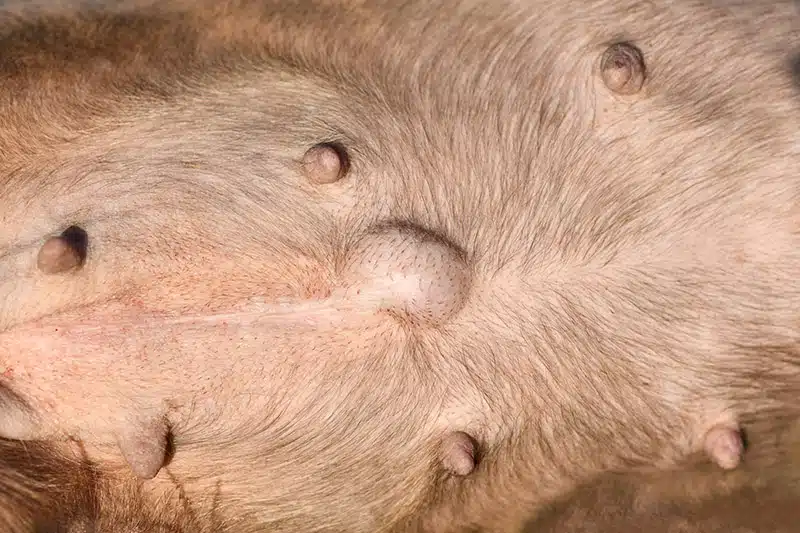
The most common type, especially in puppies. It’s a failure of the umbilical ring to close after birth, leaving a squishy protrusion right at the belly button.
Inguinal Hernias:
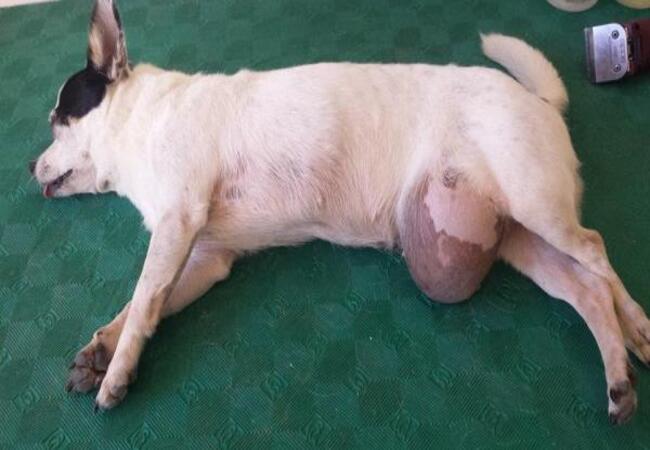
These pop up in the groin area. They are often seen in middle-aged or older female dogs, particularly those who have been pregnant, as the muscle wall weakens over time.
Perineal Hernias:
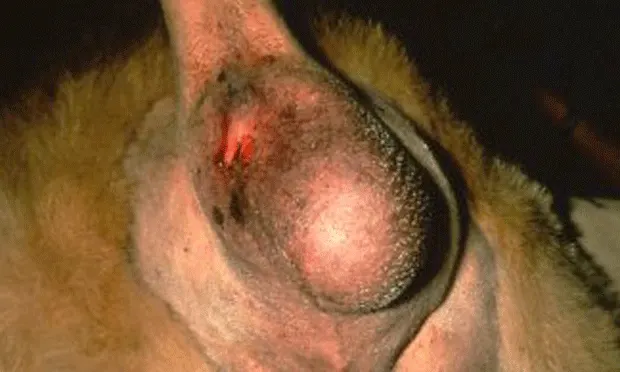
These occur near the bottom. They are very common in unneutered male dogs over the age of five because hormonal changes can weaken the pelvic floor muscles.
Diaphragmatic Hernias:
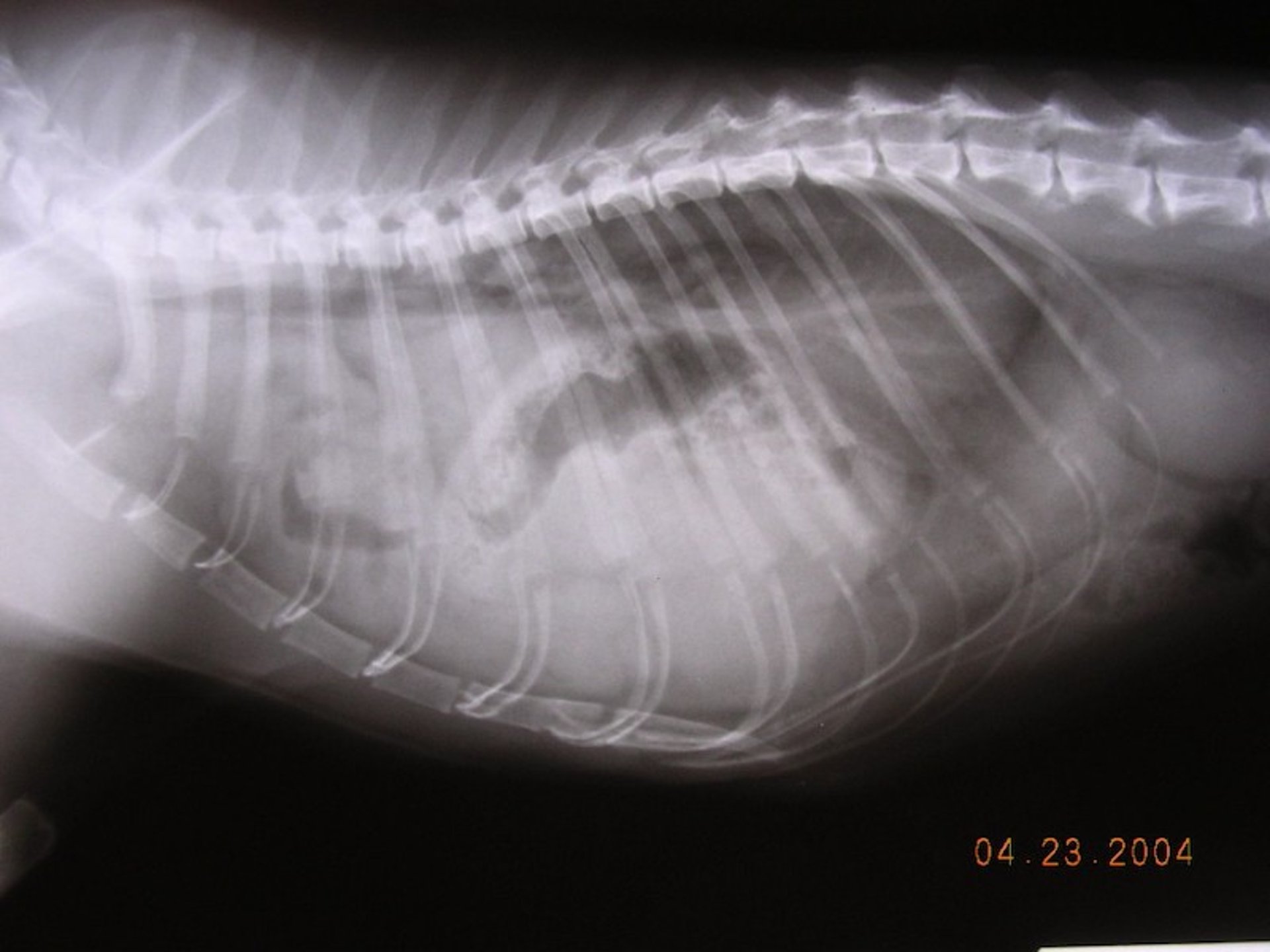
This is an internal tear in the diaphragm—the muscle separating the chest from the abdomen. Usually, this is caused by trauma, like a car accident, and it’s a critical emergency because organs can move into the chest and compress the lungs.
Hiatal Hernias:
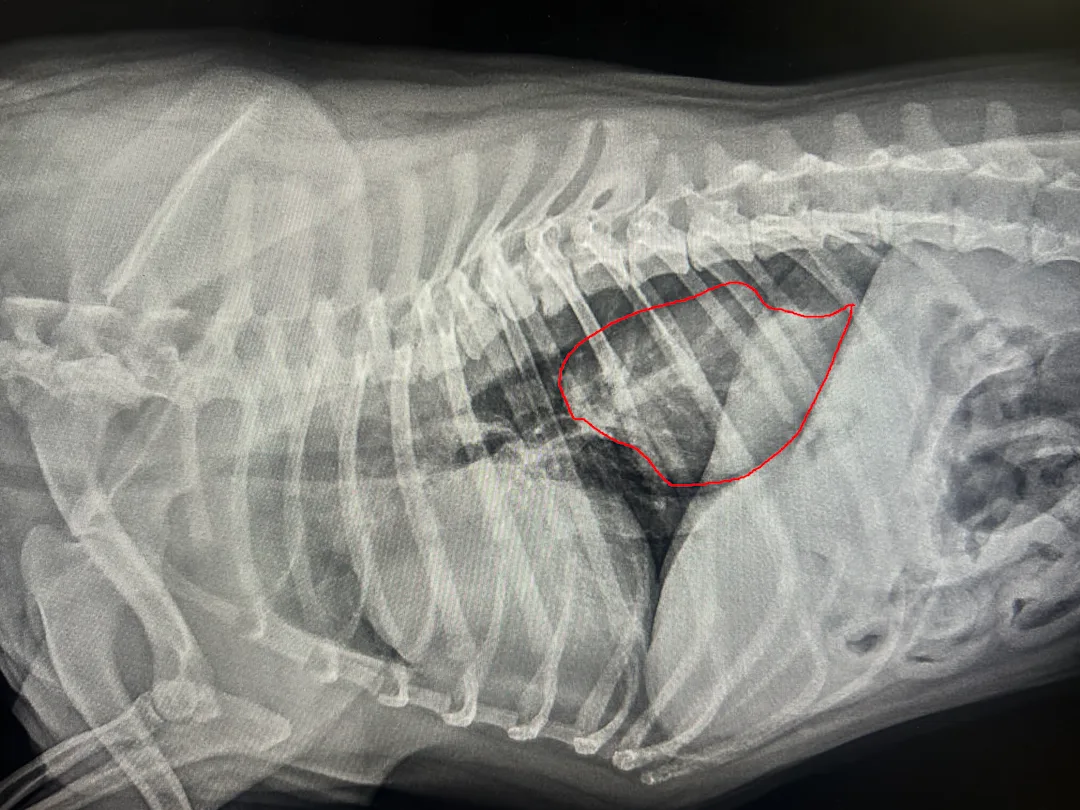
This is where the stomach “slides” through the opening where the esophagus meets the stomach. It’s particularly common in brachycephalic breeds (flat-faced dogs like Bulldogs) because the pressure from their obstructed breathing can literally “suck” the stomach into the chest.
Red Flags: When Does a Lump Become an Emergency?
Most hernias start as “reducible”—meaning you can gently push the contents back in. However, the danger starts when a hernia becomes strangulated. This is when the blood supply to the trapped tissue is cut off.
Important Symptoms to Watch For:
- A lump that was soft but is now hard, red, purple, or hot to the touch.
- Vomiting, drooling, or a total loss of appetite.
- Difficulty breathing or a “hunched” posture.
- Straining to poo or pee (especially with perineal or inguinal hernias).
If you see these, don’t wait. A strangulated hernia can lead to tissue death (necrosis) and sepsis very quickly.
Myth-Busting: Let’s Set the Record Straight
There is a lot of “old wives’ tale” advice out there about hernias. Let’s clear some of that up:
Myth: “They’ll heal on their own.” Fact: While some tiny umbilical hernias in puppies might close by 3–4 months, most hernias require surgery to repair. They don’t just go away, and waiting often makes the eventual surgery more complex.
Myth: “Only male pets get them.” Fact: While unneutered males are prone to perineal hernias, females are actually more susceptible to inguinal hernias, especially during pregnancy or if they are obese.
Myth: “You can always see a hernia.” Fact: Internal hernias, like hiatal or diaphragmatic ones, don’t leave a visible lump. You might only notice signs like coughing, drooling, or difficulty breathing.
Myth: “It’s just an ‘adult’ pet problem.” Fact: Many hernias are congenital (present at birth). In fact, over 90% of dog hernias are due to genetics.
Commonly Suffered Breeds with Hernia: Why Bulldogs & Pugs are at Risk
If you own a “flat-faced” breed like an English Bulldog, Frenchie, or Pug, you need to know about Hiatal Hernias. These breeds often suffer from Brachycephalic Obstructive Airway Syndrome (BOAS).
Because their airways are narrow, they have to work incredibly hard just to take a breath. This creates extreme negative pressure in their chest, which can effectively “suck” the stomach through the diaphragm. This is why we often see hiatal hernias and acid reflux hand-in-hand with breathing issues in these breeds. Treating the breathing (BOAS surgery) can sometimes actually improve the gastrointestinal symptoms!
Brachycephalic breeds face disproportionately high health risks due to their unique anatomy, leading to significant chronic suffering. Here are key statistics and facts regarding these challenges:
- Higher Overall Disorder Risk: Flat-faced dogs are 1.3 times more likely to be diagnosed with at least one health disorder in a single year compared to crossbreeds.
- Specific Hernia Vulnerability: These breeds have a 3.2 times higher risk of developing umbilical hernias. In specialized studies of dogs with airway obstructions, hiatal hernias were identified in up to 44% of French Bulldogs.
- Severe Gastrointestinal Issues: Gastro-esophageal reflux (GER) affects 67.39% of brachycephalic dogs, a rate nearly four times higher than the 17.31% found in non-brachycephalic breeds. Furthermore, roughly 88% of French Bulldogs with breathing syndrome show esophageal abnormalities, and 79% suffer from chronic inflammation of the distal esophagus.
- Widespread Airway Obstruction (BOAS): Approximately 40% to 65% of Pugs, French Bulldogs, and English Bulldogs suffer from Brachycephalic Obstructive Airway Syndrome (BOAS). French Bulldogs with moderate-to-severe narrowing of the nostrils (stenosis) are 20 times more likely to develop this syndrome.
- Reduced Life Expectancy: Because of these inherent health issues, flat-faced breeds live an average of 1.5 years less than typical dogs.
Breaking Down the Costs (The 2025/2026 UK Outlook)
I know the financial side is stressful. In the UK, the national average for hernia surgery cost is roughly £3,870 (as of late 2024), but that includes high-end specialist referral centers.
Here in the South East, the regional average sits around £3,989. However, prices at a first-opinion practice like Bluebell are often much more manageable than at a specialist hospital.
Typical Surgery Price Ranges:
- Umbilical Hernia: £138.75 to £550 (often cheapest if done during a spay/neuter).
- Inguinal Hernia: £469 to £1,009.
- Perineal Hernia (Unilateral): £1,300 – £2,500.
- Diaphragmatic Hernia: £1,113 to £2,450.
Consultation Fees: In Southampton, a standard consult usually ranges from £50 to £75. Compare this to London, where you might pay £98 just to get through the door , or an out-of-hours emergency consult which can start at £313.
The CMA Investigation: Why Choosing Independent Matters
You may have seen the Competition and Markets Authority (CMA) investigation in the news recently. They found that 60% of UK vet practices are now owned by six large corporate groups (CVS, IVC, Linnaeus, Medivet, Pets at Home, and VetPartners), leading to concerns about price rises of 60% or more between 2016 and 2023.
The CMA is now proposing measures to ensure pricing transparency, including:
- Requiring vets to give itemized bills and written estimates for treatments over £500.
- Capping prescription fees (likely around £16) so owners can choose cheaper online pharmacies for meds like Metacam.
At Bluebell, we’re already ahead of these rules. Because we are independent, our fees are based on our actual local costs, not a corporate spreadsheet designed to satisfy shareholders.
Why Does the Price Vary? (The “Bluebell Difference”)
Patient Weight: Heavier pets require higher doses of anesthesia and more pain relief. (A Great Dane will always cost more to treat than a wee Jack Russell!).
Complexity: A simple umbilical repair takes less time on the table than a complex perineal repair that might require medical-grade mesh to reinforce the muscle.
Independent vs. Corporate: Many UK vets are now owned by big corporations with “central budgets” and “red tape”. As an independent practice, Bluebell’s fees are based on our local costs, not a corporate spreadsheet. We make decisions in the room with you, not in a boardroom.
All-Inclusive Quotes: We include the “hidden” essentials. Our quotes include comprehensive pain relief, IV fluid therapy, and the buster collar as standard.
Insurance: The “Pre-existing” Trap
Insurance is vital, but hernias are tricky. Because over 90% are genetic or present at birth, many insurers will label them “pre-existing” if they were noted on a vet record before you took out the policy.
The 18-Month Rule: Some providers, like ManyPets, may cover a condition if it’s been symptom-free for 18 months.
Wait Periods: Petplan often requires a pet to be symptom-free for 12 months for surgery-related issues before they consider removing an exclusion.
Pro Tip: Get a Lifetime Policy as soon as you get your puppy or kitten, ideally before their first vet check.
Recovery: The “14-Day Rule”
The surgery is only half the battle; the rest happens at home.
Rest is Non-Negotiable: Your pet needs 10 to 14 days of restricted activity. That means no jumping on the sofa, no zoomies, and lead-only toilet breaks.
The “Cone of Shame”: It’s annoying, but the Elizabethan collar prevents your pet from licking the site, which is the #1 cause of infection and stitches popping open (dehiscence).
Medication Management: You’ll likely have a course of Metacam (NSAID) for pain and potentially antibiotics. Always give NSAIDs with food to avoid stomach upset.
Wound Watch: Check the site daily for redness, oozing, or bad odors.
Southampton & Road Safety: A Local Warning
Many hernias we treat are “acquired” through trauma. RTAs (Road Traffic Accidents) are a leading cause of diaphragmatic hernias.
It’s a sad fact that the road casualty rate in Southampton remains higher than the England average. In 2024, Southampton experienced 924 casualties per billion vehicle miles, an increase from the previous year. With traffic on major roads increasing, keeping your dogs on leads and cats indoors at night is vital preventative medicine.
Conclusion: Proactive Care for a Better Quality of Life
If you’ve found a lump, don’t panic, but don’t ignore it either. The only effective way to deal with a hernia is surgery; they don’t heal on their own.
Choosing elective surgery (especially combining an umbilical repair with neutering) is significantly cheaper and safer than waiting for an emergency.
If you’re in the Southampton area and want a second opinion or a natter about your pet’s health, pop into Bluebell Veterinary Surgery. We’ll put the kettle on, grab a biscuit, and give you the friendly, no-judgement advice you and your furry friend deserve.
Ready to book a check-up? Give us a call or drop by Manor Cres. Let’s make sure your pet stays happy, healthy, and lump-free!
Disclaimer: This blog is for informational purposes and does not replace professional medical advice. Always consult your vet for an accurate diagnosis.